
Unleashing the Power of Informed Decisions
Choosing a crane service can make or break your project’s success. A well-informed choice ensures operational safety, minimizes downtime, and optimizes resource allocation. Without the right expertise, you run the risk of costly delays and hazardous conditions that could impact the entire timeline. In locales like Vernon, BC, where construction dynamics can vary greatly, having a service provider that understands local regulations and environmental challenges is invaluable.
When evaluating your options, consider these key elements:
- Safety Protocols: Ensure the service adheres to rigorous safety standards and employs certified operators.
- Efficiency: Look for companies that deliver prompt, reliable service to avoid costly project interruptions.
- Technical Expertise: Evaluate equipment capabilities including load limits and specialized functions, such as triaxle swing cab cranes and telehandlers.
- Local Insight: A provider familiar with regional codes and conditions can tailor solutions to your niche requirements.
In this guide, you will learn practical strategies for assessing and selecting a crane service tailored to your project needs. By focusing on these actionable insights, you can avert potential pitfalls and drive your project forward with confidence.
Exploring Crane Types for Tailored Project Solutions
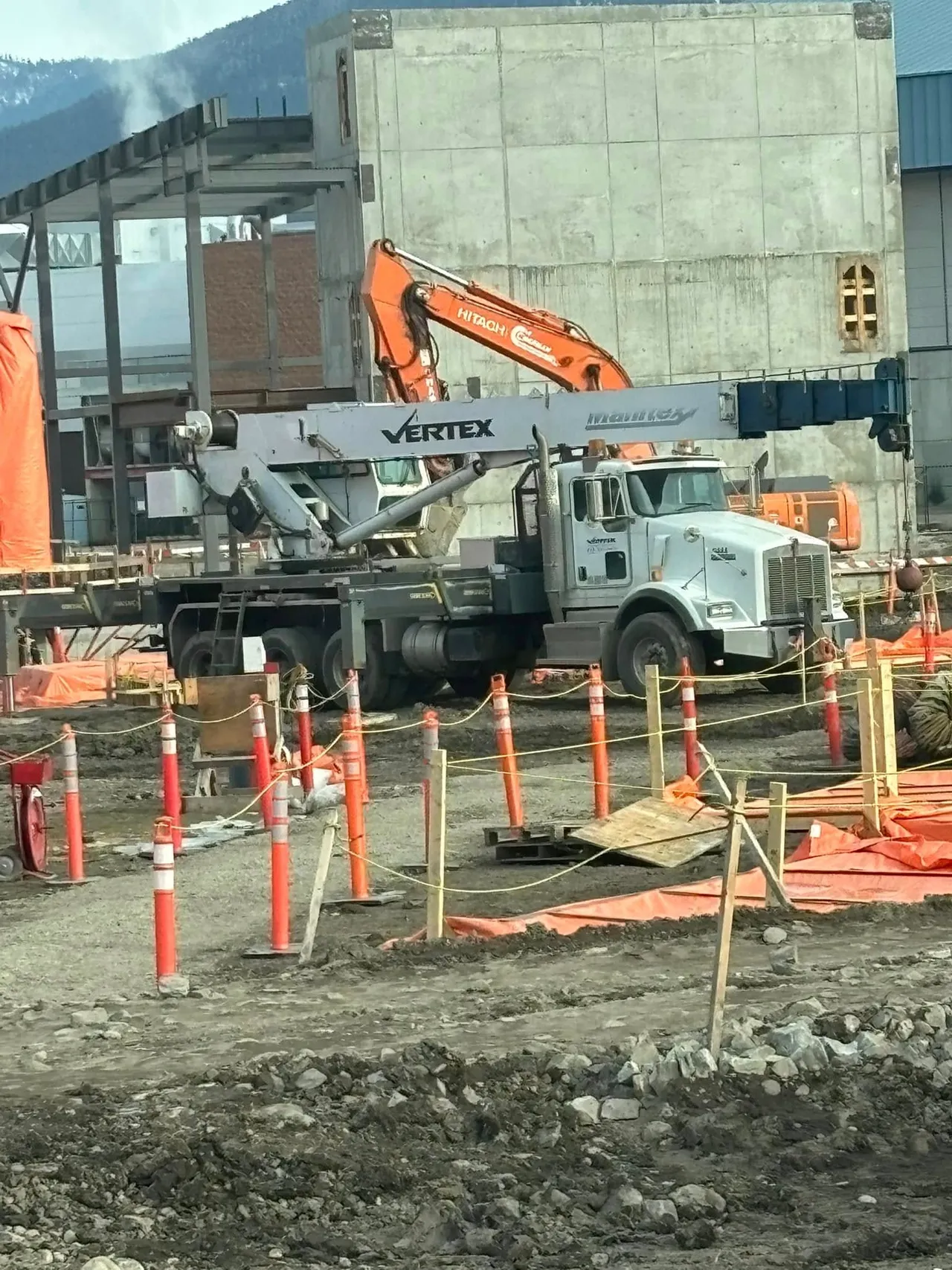
When planning a heavy lifting project, understanding the range of crane types available can make all the difference in efficiency and safety. Different cranes offer unique advantages, each suited for specific job requirements and project scales. For example, truck-mounted cranes offer mobility and quick setup times, making them ideal for urban projects and remote locations like Vernon, BC. These cranes excel in maneuverability and are perfect for smaller construction projects or emergency repairs.
Other popular options include lattice boom cranes, which provide excellent reach and load capacity, and crawler cranes that deliver robust performance in challenging terrain. Whether you’re dealing with confined workspaces or large-scale industrial projects, knowing which crane fits your needs is crucial. Consider the following when choosing the right crane:
- Load Weight: Match the crane’s capacity to your project’s demands.
- Reach Requirements: Assess the height and distance the crane must cover.
- Site Conditions: Evaluate terrain type and accessibility for safe operation.
Analyzing these factors can empower you to make well-informed decisions that enhance project outcomes, ensuring safety, precision, and timely completion.
Essential Considerations for a Crane Project
When planning a project that relies on a crane service, mindful preparation can streamline operations and ensure success. Begin by evaluating the overall project scale. Larger projects demand heavy-duty cranes and additional support equipment, while smaller jobs might only require a compact setup. Consider whether your project is urban-based or in a location with specific geographic challenges, such as in Vernon, BC.
Pay close attention to the project timeframe. A clear schedule helps to align the necessary equipment and manpower, reducing the risk of delays. A well-planned timeline also supports effective logistics planning—another critical element. Here are several actionable tips:
- Project Scale: Assess the load, height requirements, and workspace limitations.
- Timeframe: Establish clear milestones and contingency plans to accommodate unforeseen delays.
- Logistics: Factor in site accessibility, local regulations, and equipment transportation needs.
By addressing each of these critical areas, you can align your resources with your project’s objectives, ultimately leading to a smoother, more efficient operation. This structured approach helps tackle typical industry challenges while delivering optimal performance on any crane-related task.
Safety First: Building a Secure Work Environment
Crane operations demand a focused commitment to safety, and understanding the essential protocols can empower you to make informed choices. Effective safety measures start with clear pre-operation guidelines that ensure every component is ready for the day’s work. A comprehensive inspection routine, including routine equipment checks and detailed rigging assessments, minimizes risks and helps maintain structural integrity on-site.
Key safety practices include:
- Regular maintenance inspections to detect potential mechanical issues.
- Strict adherence to load charts and operational limits for the equipment.
- Certified training programs ensuring that operators are knowledgeable about the latest safety standards.
- Pre-lift safety meetings to review the plan and environment before commencing any operation.
A systematic approach is vital, particularly in regions like Vernon, BC, where operational excellence is crucial for project safety. By incorporating these practical tips, businesses and contractors can create a proactive safety culture. Emphasizing clear communication, routine checks, and well-documented protocols transforms each project into a safer, more efficient endeavor.
Frequently Asked Questions
What types of projects can a crane service support?
A quality crane service can support a range of projects—from residential building lifts to large-scale industrial installations. Ask about their experience with specific project demands to ensure they are equipped to handle your job, whether it’s a routine lift or a complex industrial operation.
How do you ensure safety and regulatory compliance?
Inquire about the provider’s safety protocols and certifications. A reliable crane service will follow strict guidelines, maintain equipment rigorously, and conduct regular safety training for their crews, especially if working in regions like Vernon, BC.
What equipment and rigging capabilities are available?
Ask about the types of cranes in their fleet, including tonnage ratings and specialized attachments. Their readiness to manage challenging tasks with advanced rigging hardware is essential for safe operations on diverse sites.
How do you manage project timelines and unforeseen issues?
Understanding their planning process and emergency response methods can clarify their efficiency in handling delays and technical problems.
What insurance coverage and certifications do you hold?
Ensure the provider has proper liability insurance and industry certifications, which are fundamental to safeguarding your project and ensuring professional service.
Stepping Forward with Confidence
As you wrap up your research into selecting the ideal crane service, remember that informed decisions are crucial. We explored essential factors that include evaluating equipment capacity, safety protocols, and local experience—especially if you’re working in areas like Vernon BC. Keeping your project’s unique needs in mind can dramatically improve operational efficiency and overall project success.
Here are some actionable next steps:
- Assess your requirements: Determine load sizes, reach requirements, and worksite access needs.
- Evaluate service reliability: Look for providers with a proven safety record and community-oriented ethos.
- Consider local expertise: Local operators often offer quicker mobilization and better adherence to regional regulations.
- Review equipment diversity: Ensure they have well-maintained cranes and ancillary equipment to address any unexpected needs.
By keeping these points at the forefront, you can navigate the complexities of the crane service industry with greater assurance. Take time to compare and contrast all options and feel empowered to ask detailed questions. Every step you take moves you closer to a safer and more efficient project outcome.